Learn Cross Stitch

  • All articles
  • aida
  • beading
  • benefit
  • Bookmark
  • facts
  • floss
  • frame
  • gifts
  • grid
  • hoop
  • knots
  • needle
  • review
  • Save the Earth
  • stitching
  • technique
  • thread
  • tips
  • tools
  • twists
  • Waste Canvas
How Cross-Stitch Helps: The Benefits of This Relaxing Craft

Learn Cross Stitch

How Cross-Stitch Helps: The Benefits of This Relaxing Craft

Lauren Mills.Sep 15, 2024
Cross-stitching is more than just a hobby or a way to pass the time. It's a creative and relaxing craft that offers various mental, emotional, and even physical benefits. Whether you are a seasoned stitcher or just starting, cross-stitching can be a great way to unwind, express your creativity, and reap some unexpected rewards. Let’s explore how cross-stitch can help improve different aspects of your life.
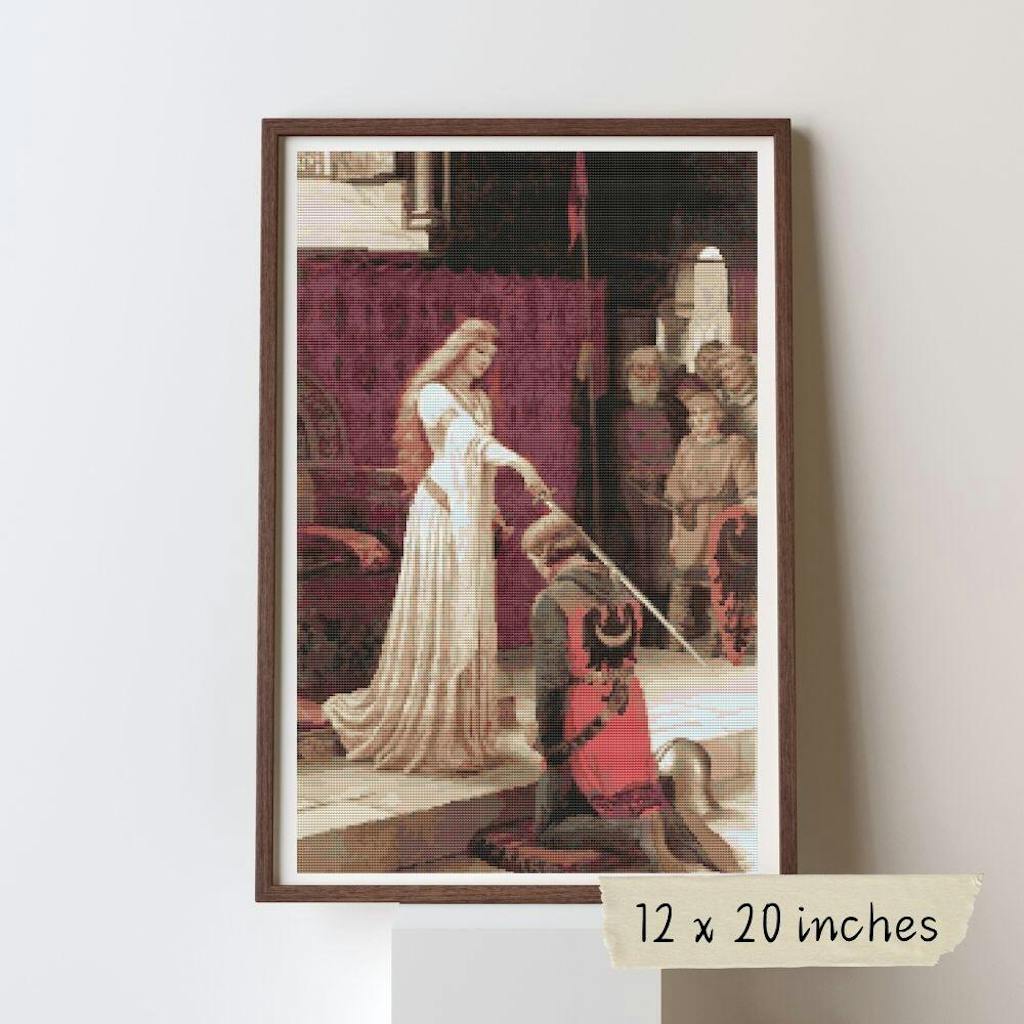
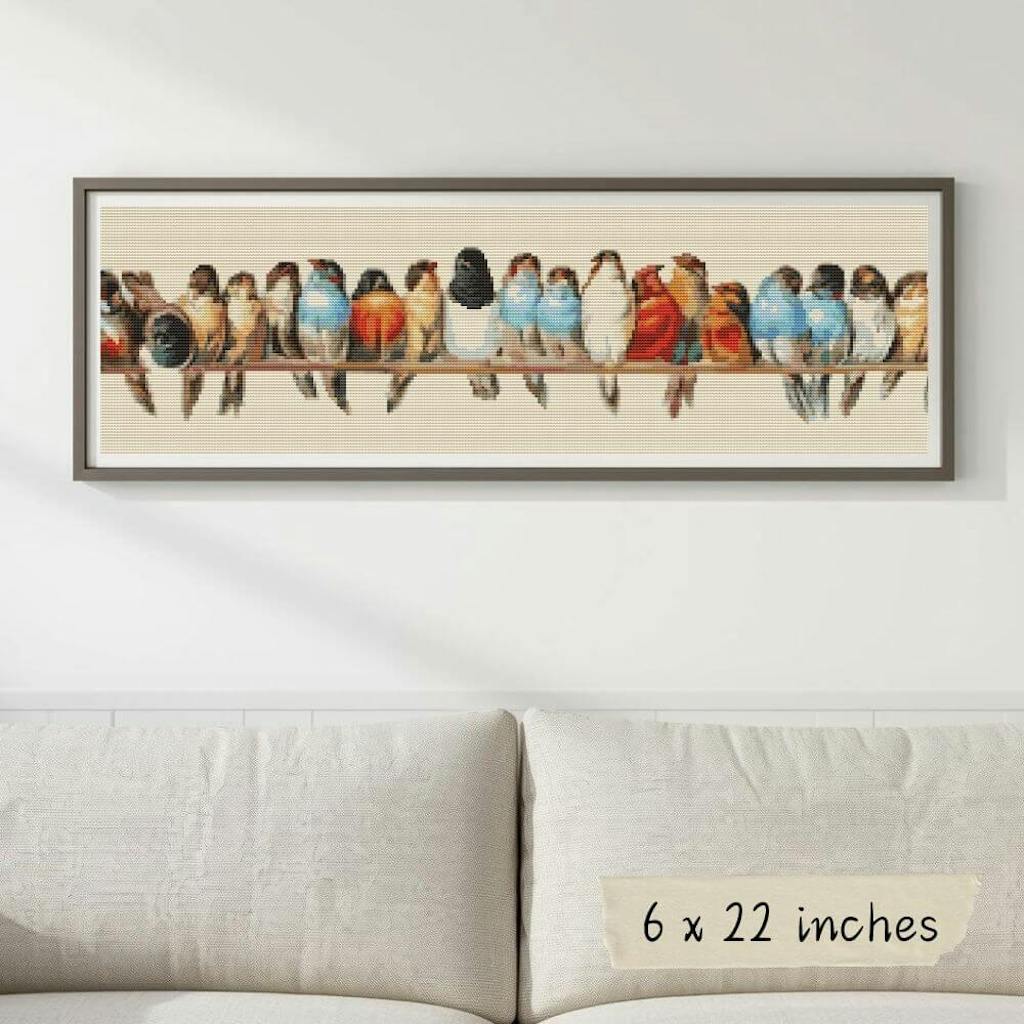
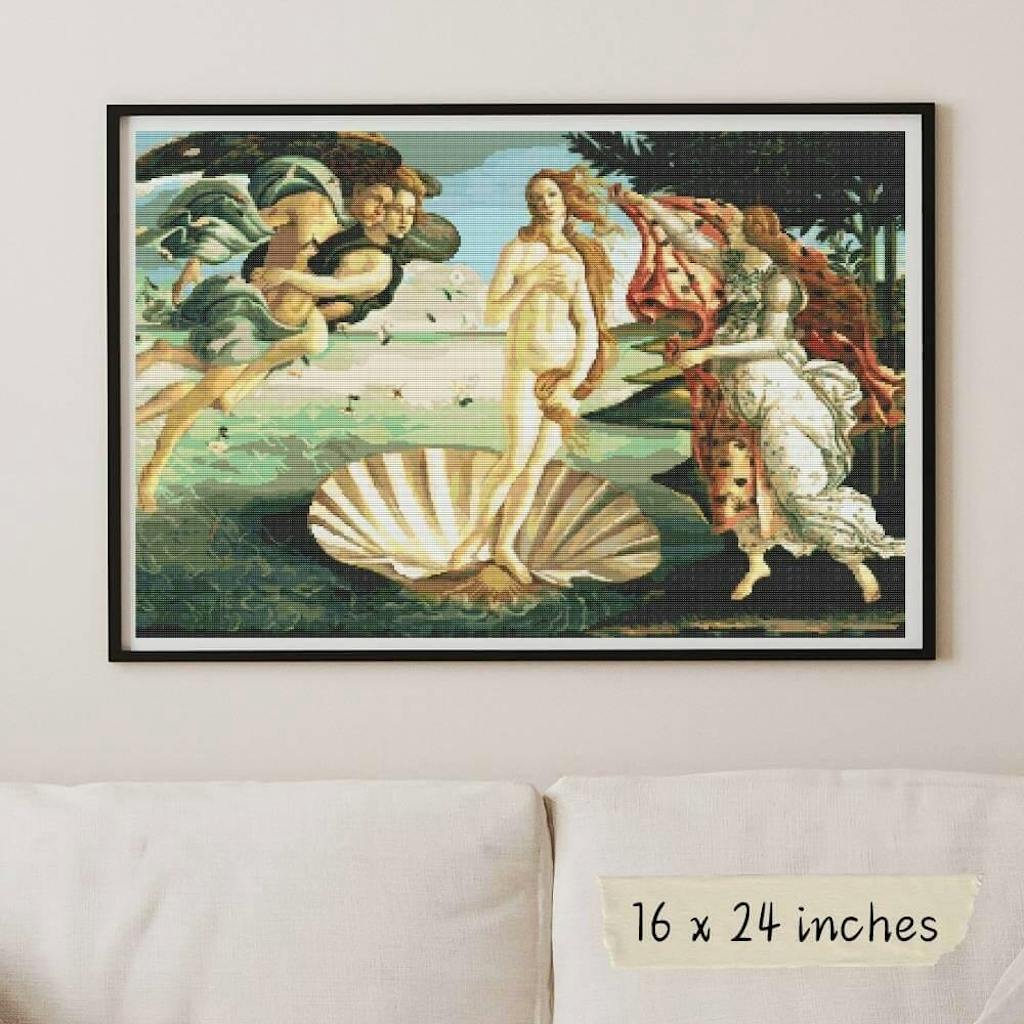
The Art of Transforming Creativity: Turning Art into Cross Stitch Masterpieces

Learn Cross Stitch

Transform Art into Cross Stitch: A Creative Guide

Lauren Mills.May 11, 2024
In a world where creativity knows no bounds, one form of expression stands out for its timeless charm and intricate beauty: cross stitch. Originating centuries ago, cross stitch has evolved from a simple embroidery technique to a beloved art form cherished by crafters worldwide. Its appeal lies not only in its meditative process but also in its ability to transform any image or design into a stunning textile masterpiece.
Selecting Fabric for Cross Stitch - Aida or Linen?

Learn Cross Stitch

Selecting Fabric for Cross Stitch - Aida or Linen?

Lauren Mills.Jun 16, 2023
So, you've decided to take up cross-stitching. Good for you! It's a fantastic hobby that allows you to unleash your creativity and create beautiful works of art. But before you can start stitching, you need to choose the right fabric. And that's where things can get a bit confusing.
Should I use an Embroidery Hoop?

Learn Cross Stitch

Should I use an Embroidery Hoop?

Lauren Mills.Oct 04, 2020
Embroidery is a beautiful and intricate art form that has been practiced for centuries. Whether you are a beginner or an experienced embroiderer, using an embroidery hoop can greatly enhance your stitching experience. But should you use an embroidery hoop? Let's explore the benefits and considerations.
Using a Waste Canvas

Learn Cross Stitch

Using a Waste Canvas

Lauren Mills.Oct 04, 2020
What is a waste canvas? A waste canvas is a type of fabric that is used in embroidery projects. It is a temporary grid-like material that helps in stitching designs onto fabrics that are difficult to embroider directly. Waste canvas is typically made of cotton or a blend of cotton and polyester. It has evenly spaced holes that allow the needle and thread to pass through easily. How does waste canvas work? When using waste canvas, you first need to position it on the fabric where you want the design to be stitched. The waste canvas is then basted or tacked onto the fabric to hold it in place. Next, you stitch the design onto the waste canvas, following the holes as a guide. Once the design is complete, you wet the waste canvas and gently pull it out, leaving only the stitched design on the fabric. Why use waste canvas? Waste canvas is particularly useful when embroidering on fabrics that are too delicate or stretchy to support the weight of the embroidery thread. It provides stability and prevents distortion of the fabric during the stitching process. Waste canvas is commonly used for cross-stitching on clothing, towels, and other items where direct embroidery is not possible. Step-by-step guide to using waste canvas: 1. Cut a piece of waste canvas slightly larger than your design area. 2. Position the waste canvas on the fabric and secure it with basting stitches or tacking. 3. Thread your needle with the desired embroidery thread. 4. Start stitching your design, following the holes in the waste canvas. 5. Once the design is complete, wet the waste canvas with water or a damp cloth. 6. Gently pull out the waste canvas, leaving only the stitched design on the fabric. 7. Allow the fabric to dry completely before using or framing. Tips for using waste canvas: - Choose a waste canvas with holes that are appropriate for your embroidery thread. - Use a sharp needle to easily pass through the waste canvas and fabric. - Avoid pulling the thread too tightly, as it may distort the fabric. - Test the waste canvas on a scrap piece of fabric before starting your project. - Be patient when removing the waste canvas to avoid damaging the stitched design. Conclusion Using waste canvas can open up new possibilities for embroidery projects on delicate or stretchy fabrics. It provides stability and allows you to create intricate designs without damaging the fabric. By following the step-by-step guide and using the tips mentioned, you can successfully incorporate waste canvas into your embroidery projects.
Doing our Part for the environment

Learn Cross Stitch

Doing our Part for the environment

Hamidah Gul.May 05, 2018
We love nature, animals, the sky, and the sea. We want our children to enjoy these wonders in the future, so we strive to minimize waste without increasing costs.
Selling your Cross Stitch

Learn Cross Stitch

Selling your Cross Stitch

Lauren Mills.May 26, 2017
13
Did you know you can sell your finished cross-stitch projects? If you’re looking to earn some extra money, consider stitching a masterpiece and putting it up for sale on eBay or other platforms. While you can't distribute copies of our charts, you can definitely sell your completed cross-stitch work.
Why Is Counted Cross Stitch So Addictive?

Learn Cross Stitch

Why Is Counted Cross Stitch So Addictive?

Lauren Mills.Sep 17, 2016
Do you ever feel the urge to be creative? To make something special with your own two hands? Something you can proudly display? To be admired by all visitors into your home?