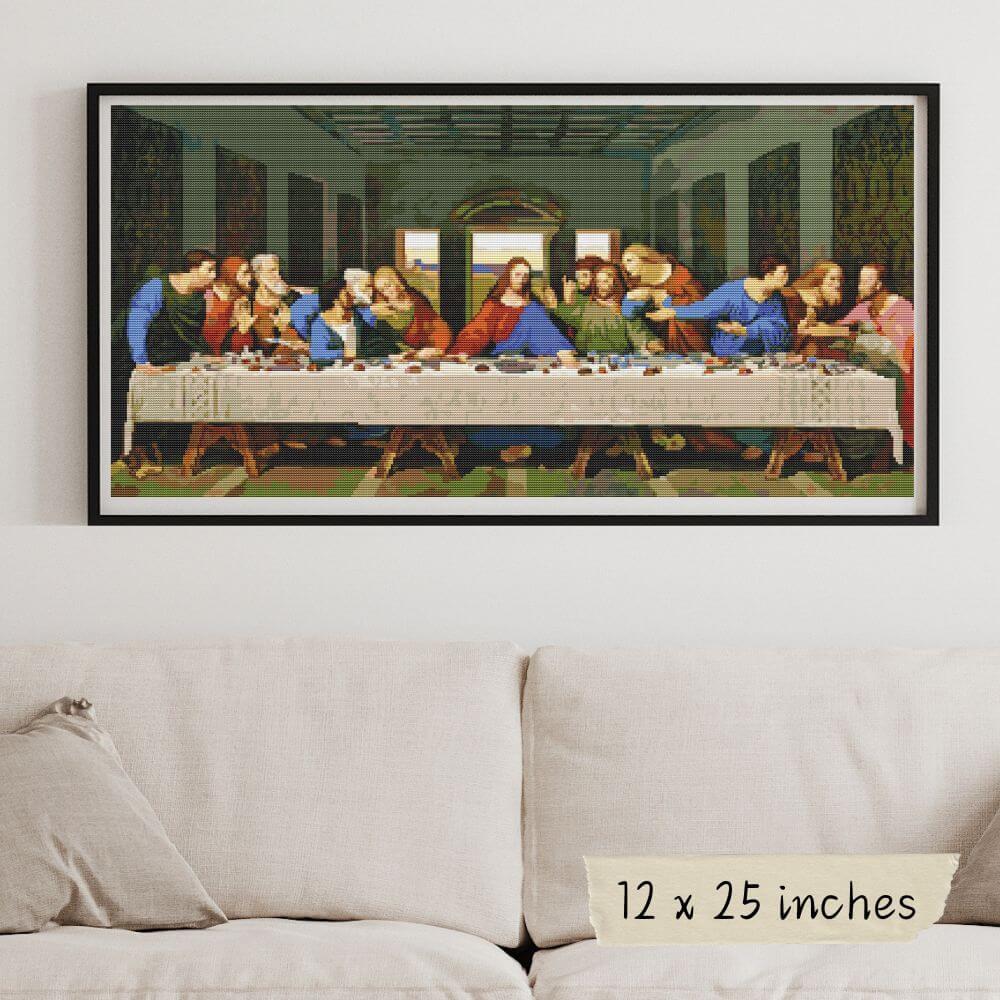
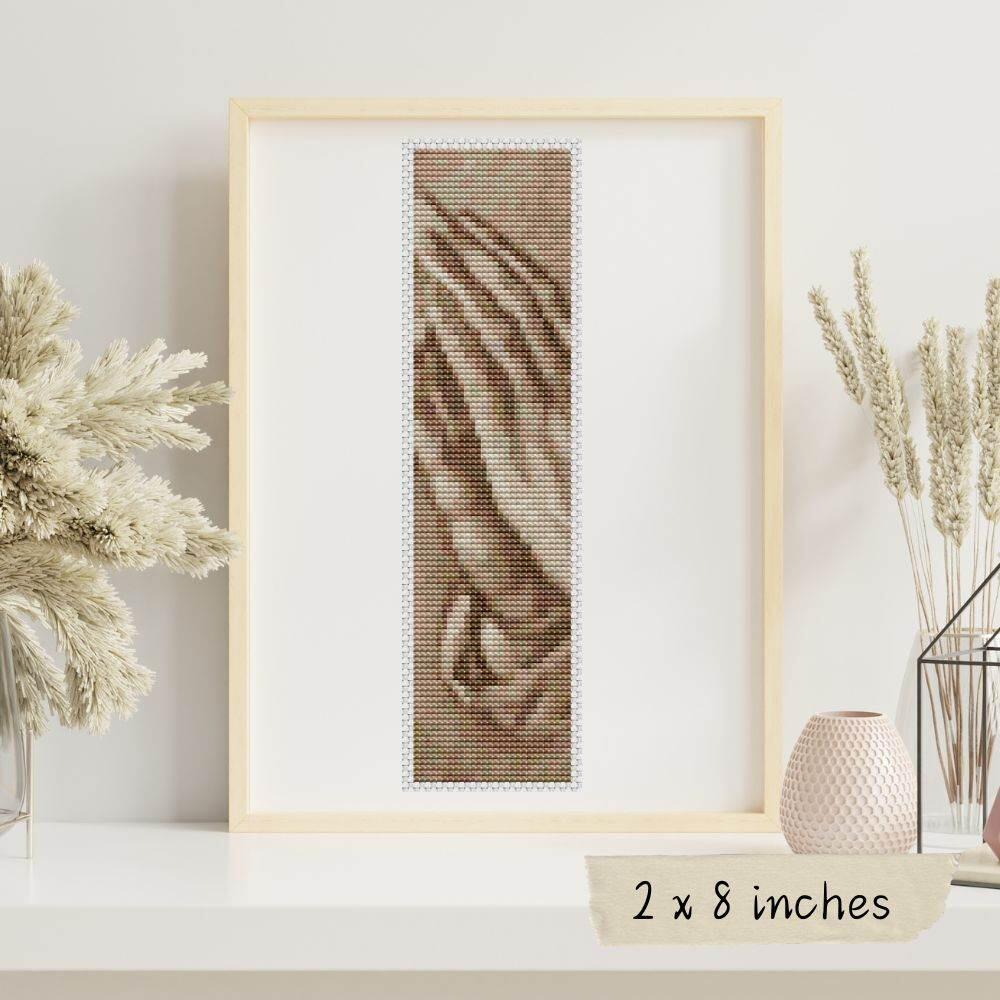
Leonardo da Vinci Cross Stitch Kit: Complete Buyer's Guide


If you've ever stood in front of a Leonardo da Vinci painting and thought, "I wish I could own this," a Leonardo da Vinci cross stitch kit might be exactly what you're looking for. These kits transform the genius of the Renaissance master into a stitchable project that lets you create museum-quality art on fabric. Whether you're a beginner picking up a needle for the first time or a seasoned stitcher looking for your next obsessive project, here's what you need to know.
In this article
- What Comes Inside a Leonardo da Vinci Cross Stitch Kit
- Understanding the Specifications and Skill Level
- Why Leonardo da Vinci Works So Well in Cross Stitch
- Physical Kits vs. Digital Patterns: Which Should You Choose?
- Getting Started: What You Actually Need to Know
- Time Commitment and Realistic Expectations
- Displaying Your Finished Leonardo da Vinci Cross Stitch
- Finding the Right Kit for You
- Frequently Asked Questions About Leonardo da Vinci Cross Stitch Kits
What Comes Inside a Leonardo da Vinci Cross Stitch Kit
A complete kit takes the guesswork out of gathering supplies. You're not hunting down thread colors or squinting at fabric counts in a craft store. Instead, everything arrives at your door ready to go.
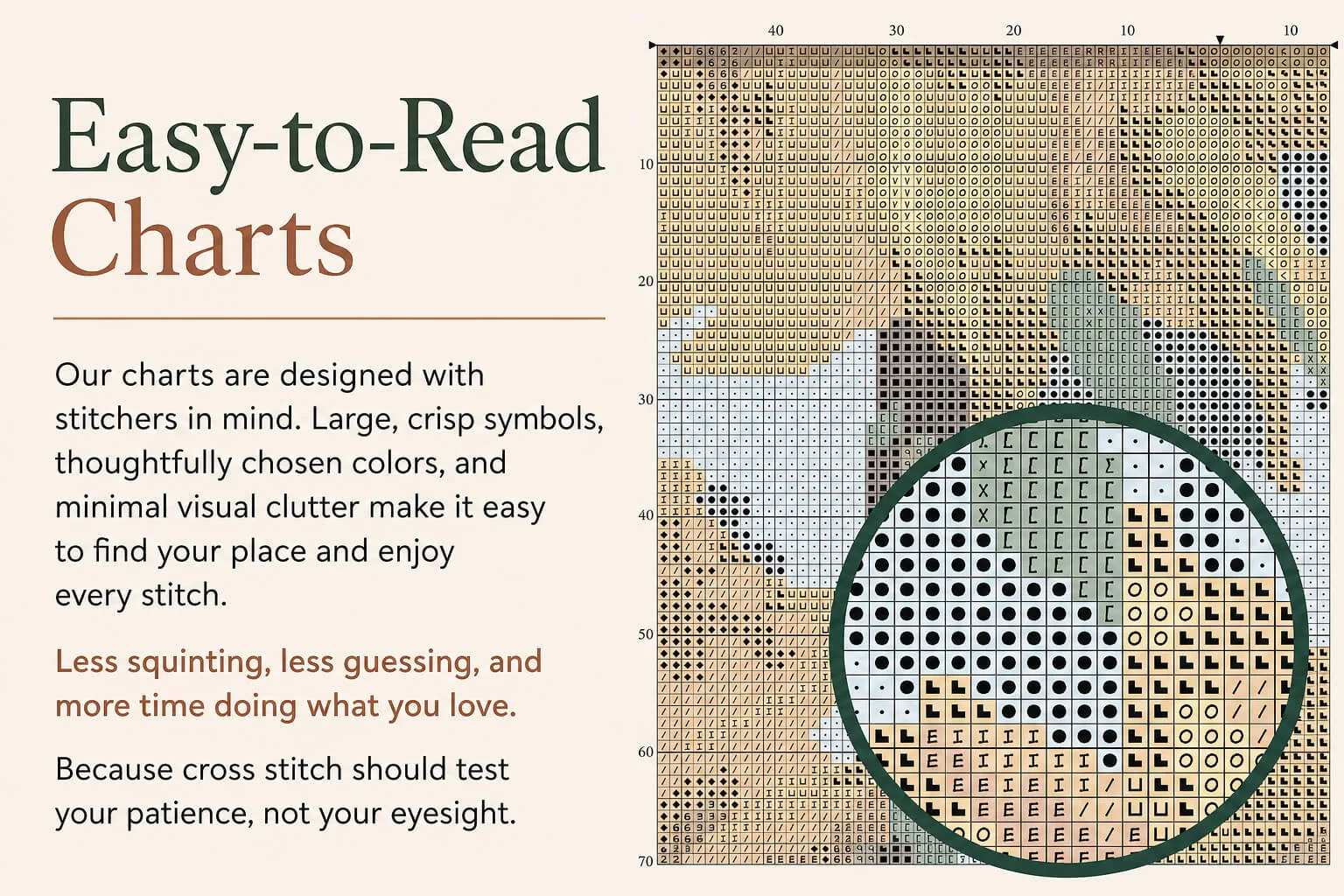
Most kits include a pre-printed chart that shows exactly where each stitch goes. The chart is color-coded and easy to read, even if you're new to cross stitch. You'll also get all the embroidery floss you need in the exact colors required for the design. The fabric is typically a soft, 14-count cotton Aida in white, which is a forgiving choice for beginners but still satisfying for experienced stitchers.
You'll also receive detailed instructions that walk you through the basics, from how to thread a needle to finishing techniques. Some kits include a needle and other small tools, though you may already have these in your crafting stash.
Understanding the Specifications and Skill Level
Leonardo da Vinci kits vary in complexity, and knowing what you're getting into helps you pick the right project for your skill level.
A typical kit uses around 140 stitches and a color palette of about 30 different DMC thread colors. That sounds like a lot, but it's actually manageable. The stitch count tells you roughly how long the project will take. Fewer stitches mean a quicker finish (think weeks rather than months). More stitches mean deeper immersion and a larger final piece.
The beauty of these kits is that they're designed for beginners without being boring for experienced stitchers. The pre-printed charts remove the learning curve of reading complex patterns, and the complete materials mean you can start immediately. No prep work, no frustration hunting for matching thread.
Why Leonardo da Vinci Works So Well in Cross Stitch
Leonardo's art is almost made for cross stitch. His paintings have distinct color blocks, clear composition, and timeless appeal. Whether you're stitching a detail from the Mona Lisa, a botanical study, or one of his anatomical drawings, you're engaging with some of the most recognizable images in human history.
There's something deeply satisfying about recreating a 500-year-old masterpiece using a 500-year-old craft technique. It connects you to generations of people who've stitched their way through life, creating beauty stitch by stitch.
When you finish, you'll have a gorgeous piece of art that's also a meditation on patience and focus. Unlike buying a print, this came from your hands. Your time. Your focus. That matters.
Physical Kits vs. Digital Patterns: Which Should You Choose?
You have two main options. Physical kits come with everything pre-packaged and ready to start. Digital patterns are downloadable PDFs that you print yourself and source your own materials for.
Physical kits are best if you want convenience and don't want to think about fabric counts or thread shopping. You open the box and start stitching. They're also great gifts because everything is contained and ready.
Digital patterns give you more flexibility and control. You can print them at any size, choose your own fabric and thread brands, and customize colors if you want to experiment. They're also lower cost and arrive instantly. The downside is that you'll need to do some prep work sourcing materials and making sure your fabric count matches the pattern.
Most people find that famous painting cross stitch kits offers both options, so you can pick based on what fits your style and comfort level.
Getting Started: What You Actually Need to Know
Even if you've never cross stitched before, the basics are simple and learnable in about five minutes.
Cross stitch uses X-shaped stitches to create an image. Each X covers one square on your fabric. You follow the chart and match thread colors to the symbols on the pattern. That's genuinely it. No complicated techniques. No artistic ability required. Just patient, meditative hand movements that pile up into something beautiful.
Start by securing your fabric in a hoop or frame to keep it taut. Thread your needle with the first color. Find the center of your fabric (most charts tell you where to start). Begin stitching, making sure each X is uniform and neat. As you work, you'll develop a rhythm. Some people find it almost meditative.
Common beginner mistakes include pulling thread too tight (which warps the fabric), making uneven stitches, or getting lost on the chart. All of these are easily fixed with practice. You're not performing surgery. If you mess up, you can undo stitches and start again.
Time Commitment and Realistic Expectations
How long will this actually take? That depends on the stitch count and your speed.
A smaller Leonardo da Vinci design with around 140 stitches might take anywhere from 5 to 15 hours, depending on how fast you stitch and how much time you have to dedicate. That could be a weekend project or a month-long hobby, spread across 30 minutes of stitching each evening.
Larger designs take proportionally longer. A 500-stitch project might be 20-40 hours. But here's the thing: that time is pure, focused creativity. No screens, no distractions, just you and the fabric. Many stitchers describe it as meditative and genuinely relaxing, which makes the time feel like a gift rather than a chore.
Set realistic expectations. You're not trying to finish in a week. You're giving yourself permission to slow down and create something beautiful at a pace that feels good.
Displaying Your Finished Leonardo da Vinci Cross Stitch
Once you've finished stitching, you'll want to show it off. Your finished piece is art, and it deserves a home where people can admire it.
The simplest option is to frame it. Your local framer can mount the stitched piece under glass, and you'll have a gallery-worthy artwork. Some stitchers prefer to leave their work in the hoop for a casual, crafty look. Others stitch it onto a pillow cover, tote bag, or quilt. There's no wrong answer, only what feels right for your space and style.
A Leonardo da Vinci cross stitch piece makes an incredible gift for art lovers, history buffs, or anyone who appreciates handmade items. It says, "I spent 10 hours thinking about you while I stitched this." That's a powerful message.
Finding the Right Kit for You
Not all Leonardo da Vinci cross stitch kits are created equal. When you're shopping, pay attention to a few details.
Check the stitch count and projected time commitment. Read reviews from other stitchers about chart clarity and thread quality. Make sure the design appeals to you personally. Are you drawn to his portraits, his sketches, or his scientific studies? The best project is one you're excited to start.
Look for kits that include clear, easy-to-read charts. Poor chart quality is frustrating and takes the joy out of stitching. You want to see exactly where each color goes without needing a magnifying glass or guessing.
Check that the kit includes all necessary materials. You shouldn't have to run to the craft store halfway through a project because something was missing. That defeats the whole purpose of a kit.
When you're ready to commit, cross stitch patterns has a reputation for quality designs and complete materials, plus free shipping on orders, which is a nice perk when you're building your collection.
Frequently Asked Questions About Leonardo da Vinci Cross Stitch Kits
Do I need any experience to start a Leonardo da Vinci cross stitch kit?
No. Cross stitch is one of the most beginner-friendly fiber arts. If you can thread a needle and make X shapes, you can do cross stitch. The kits come with instructions that cover everything you need to know. Many people complete their first project with confidence and move on to more complex designs.
What fabric count should I look for?
A 14-count cotton Aida is standard for most kits and is considered beginner-friendly. The stitches are large enough to see clearly but small enough to create nice detail. Once you're more experienced, you might explore higher counts (18, 22) for more intricate work, but 14-count is a perfect starting point.
Can I customize the colors in a Leonardo da Vinci kit?
If you're using a physical kit, the colors are pre-selected and included. If you're working with a digital pattern, you have complete freedom to swap colors. art cross stitch kits patterns are carefully color-matched to the original artwork, but there's something fun about adding your own creative twist. Just make sure you source DMC thread in your chosen colors before you start.
What should I do if I make a mistake while stitching?
Cross stitch mistakes are incredibly forgiving. If you catch an error right away, carefully remove the stitches using a seam ripper or small scissors. If you notice a mistake later, you can often leave it (most people won't notice from a distance) or go back and fix it. The important thing is not to stress. Every stitcher messes up sometimes. It's part of the process, and premium cross stitch kits community often shares laughs about their own oopsies.